Employees who are concerned about climate change may not know how to translate this into action at work. Berend van der Kolk , Eelke Wiersma and Willemijn Odekerken find that such employees can be stimulated to engage in sustainable behaviours such as recycling and making real estate more durable. And climate-indifferent employees can be nudged to do so too.
Recent energy crises have shown the degree to which Britain is exposed to global events. But thanks to advances in renewable energy technology, such as solar panels, Britain’s homes are increasingly decentralising the energy system, and becoming less reliant on oil and gas price fluctuations, argues Erhan Kilincarslan .
British supermarkets publish Scope 3 carbon totals that include emissions from producing and transporting the products they sell. Those can mix suppliers’ records with estimates based on industry averages. The UK’s new climate reporting standard asks companies to explain their data, but does not require a percentage showing how much comes from supplier-specific primary data. Aruneem Mazumder and Rishikesh Sinha explain the gap, show how other countries handle it and propose two fixes.
Residents can get practical help to build their digital skills and confidence at community activities taking place across Wolverhampton during Get Online Week 2026 (19 to 25 October).
There has been a marked increase in the rates of home schooling in the UK since Covid. David Frayman and Ben Helme look into the causes behind this increase, and argue that a rise in mental health issues among young people could be behind this trend.
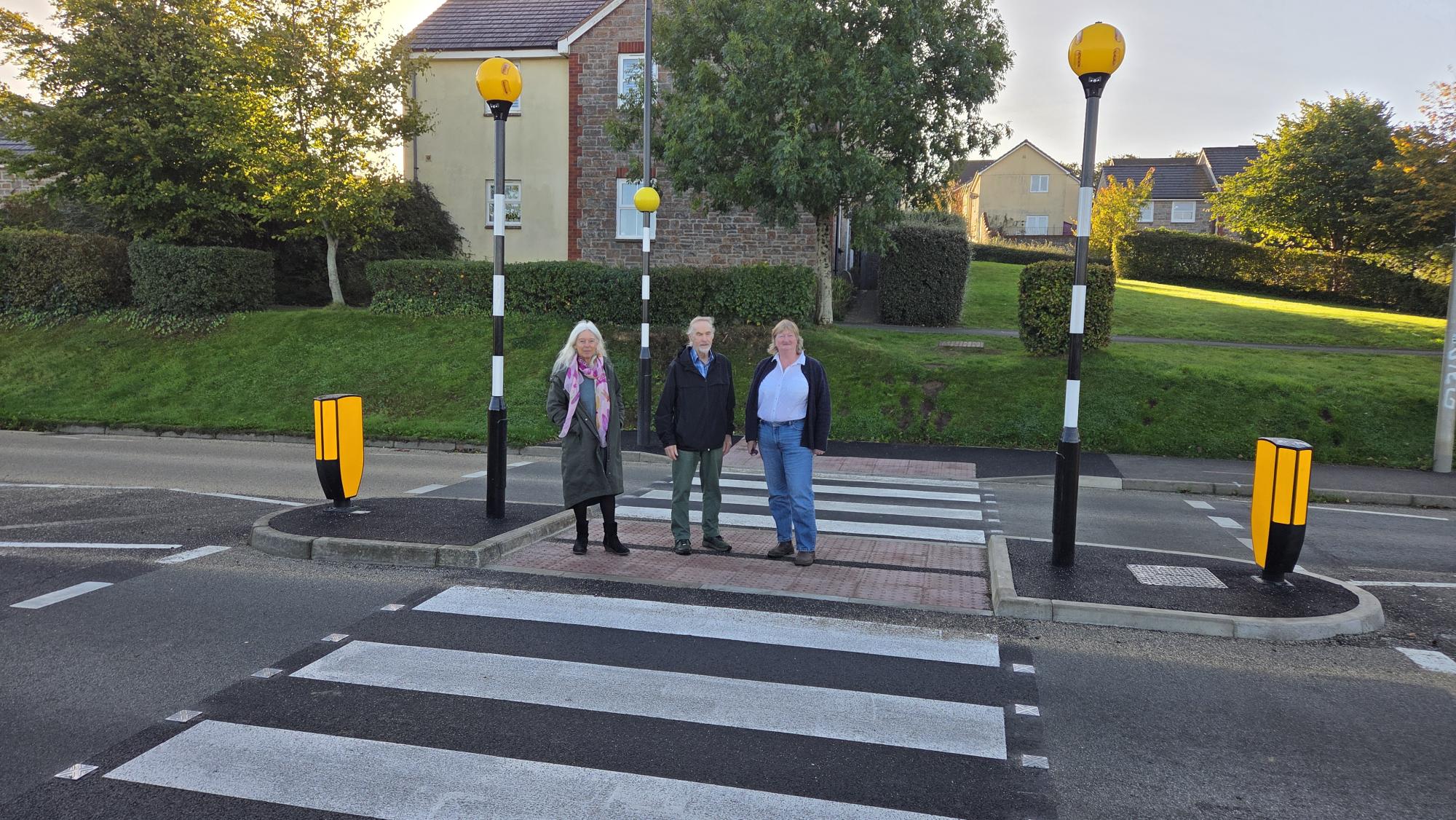
School children and parents walking to school in Okehampton will have a safer walking route, thanks to the completion of a new footpath and zebra crossing.
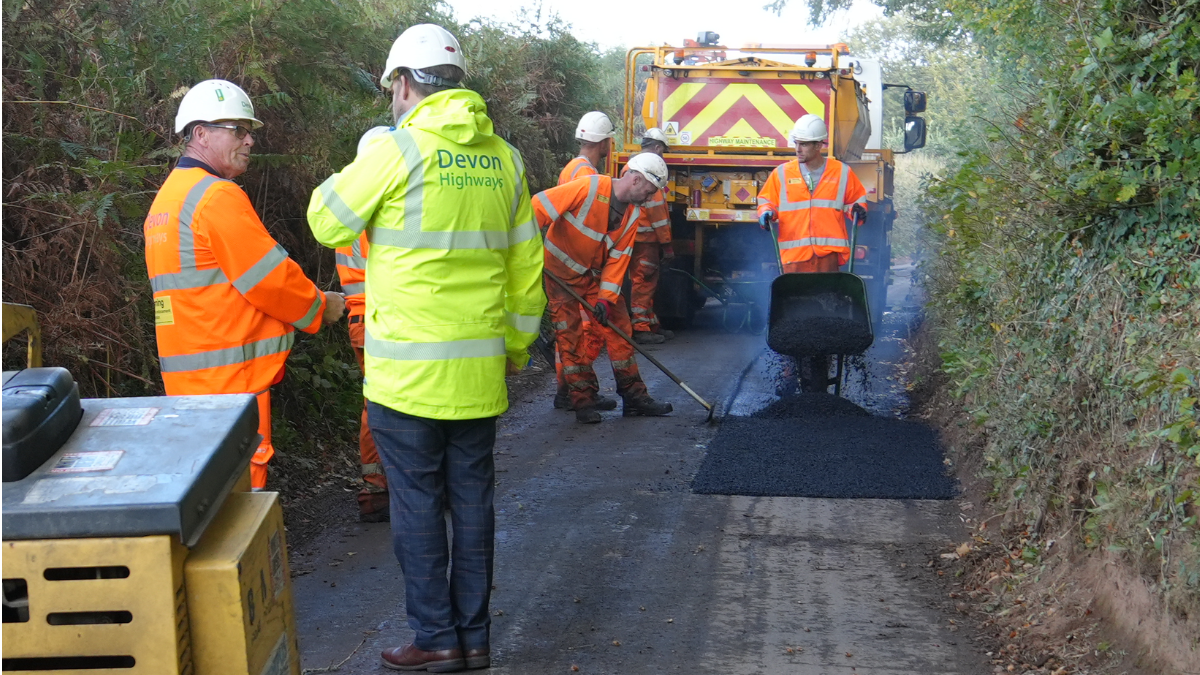
Our Cabinet has rubberstamped an extra £4.5 million to be spent repairing local roads, improving key diversion routes and tackling drainage problems across Devon.
The break up of academic Twitter has made it more difficult for academics to amass large social media audiences. However, as Andy Tattersall argues, the size of your follower count was never as important as the quality of the network you were joining and developing around your work.
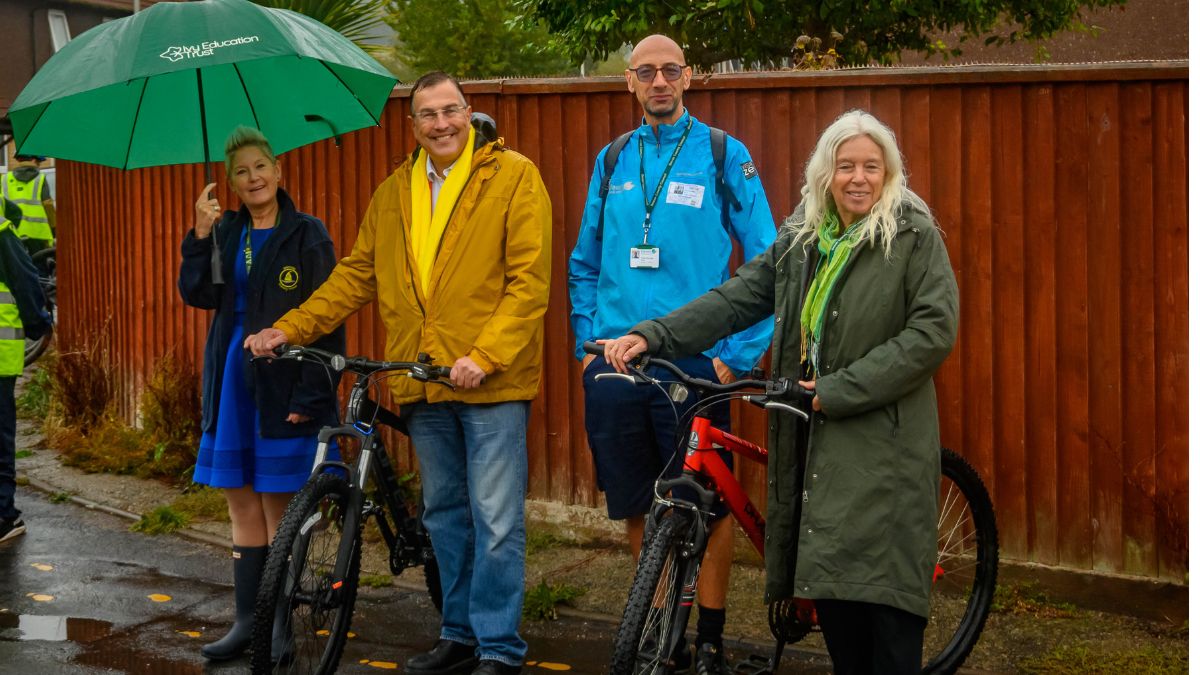
Starcross Primary School celebrated Cycle to School Week (5–9 October 2026) by giving students the opportunity to develop their cycling skills through Bikeability training.
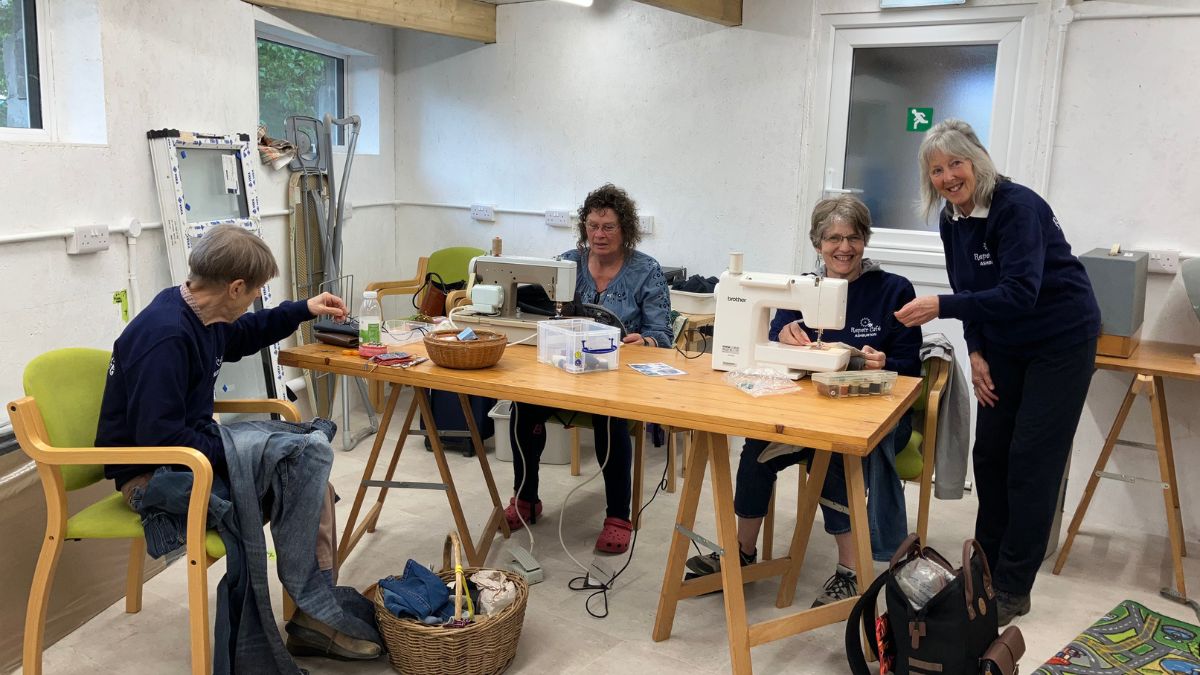
Recycle Devon is joining more than 1,000 community groups, businesses and schools around the world to celebrate the tenth International Repair Day on Saturday 17 October.
The old model risk rulebook told banks in America how to design, validate and monitor the quantitative systems they rely on. The new one asks them to defend what they chose. This isn’t relaxation, argues Vikram Singh , it’s burden transfer. And by failing to include AI within its scope America’s rules are lagging behind much of the world.
AI-powered dashboards are pitched as the ultimate tool for chief executives looking for strategic agility. In practice they are crippling corporate leadership and undermining middle-management. Ch. Mahmood Anwar argues that to lead effectively in the algorithm-driven enterprise, executive leadership must abandon the illusion of omniscient control and embrace curated latency.
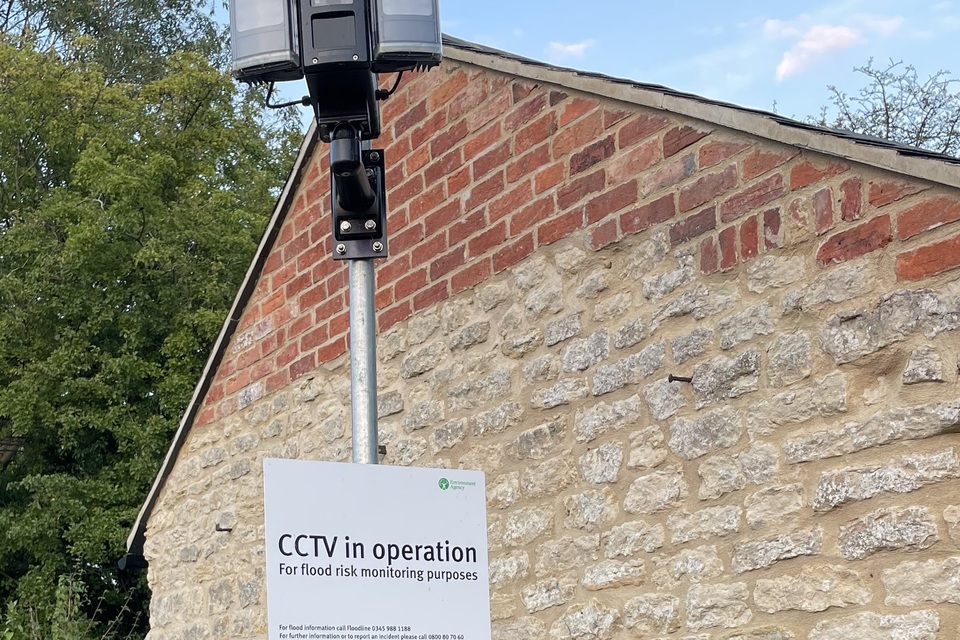
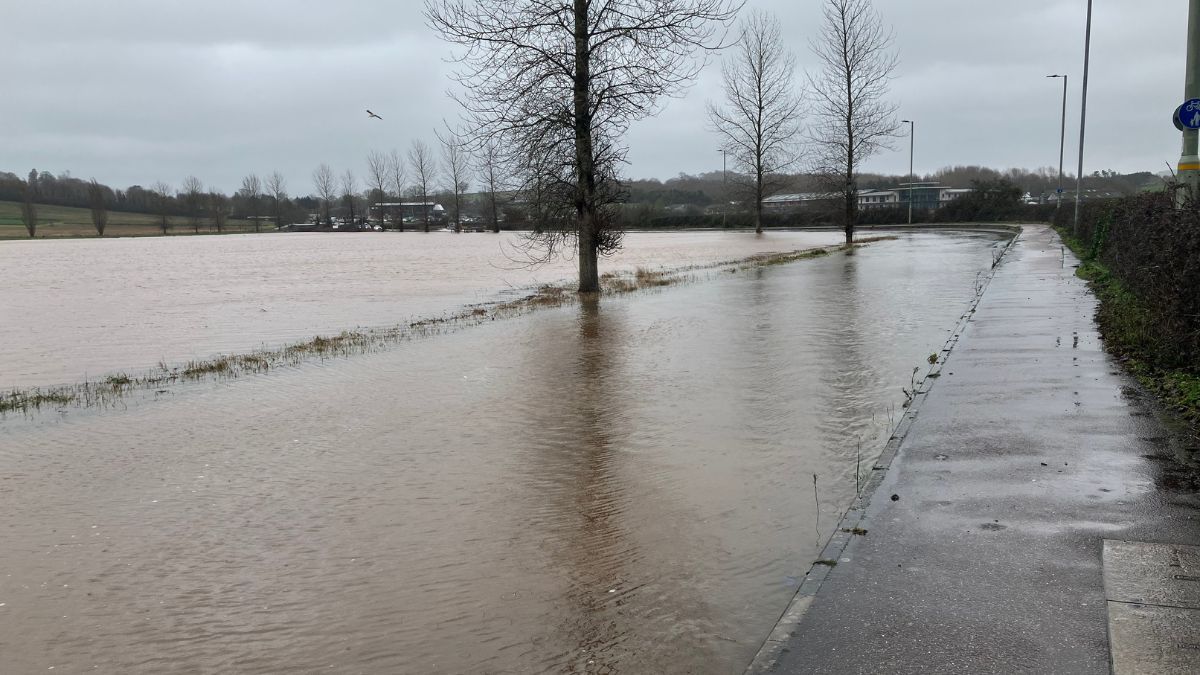
Flood Action Week runs from Monday 12 October to Sunday 18 October. With autumn here and winter approaching, now is a good time to prepare for wet and windy weather.
Australia’s new political finance laws target big donations, but money buys influence in many other ways, from lobbying and media narratives to market power that shapes voter preferences. Real reform needs to go beyond donation caps to include competition policy, fairer public funding, and far greater transparency.